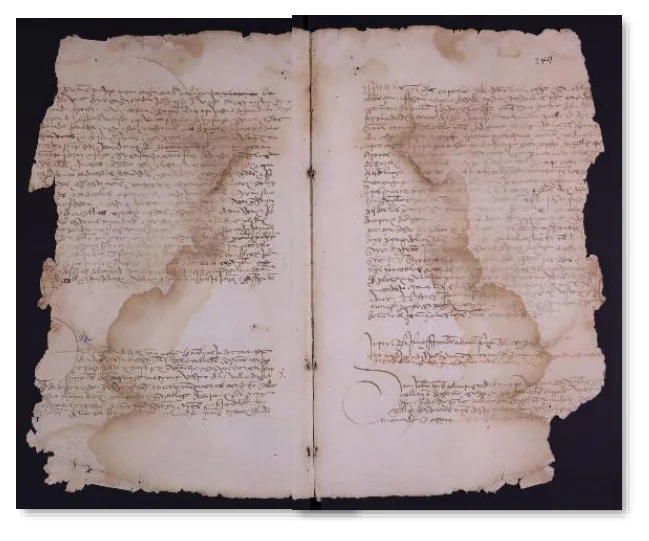
What we find in the archives while the six rooms take shape: the Judería born in 1248 in today's Barrio de Santa Cruz, its three synagogues turned into churches, the pogrom of 1391, the expulsion of 1492 and the Ladino that left the port with it. Real names, each with its file behind it.
Many Jewish heritage trips through Spain give Seville a single day. Why it is worth it and how to use it: the Jewish quarter in the morning, Triana and the Inquisition's castle in the afternoon, and the river the ships of 1492 sailed from.
All three walk the same streets. What changes is who walks with you, how you pay and how deep it goes: an honest, field-by-field comparison, including when a private tour is not for you.
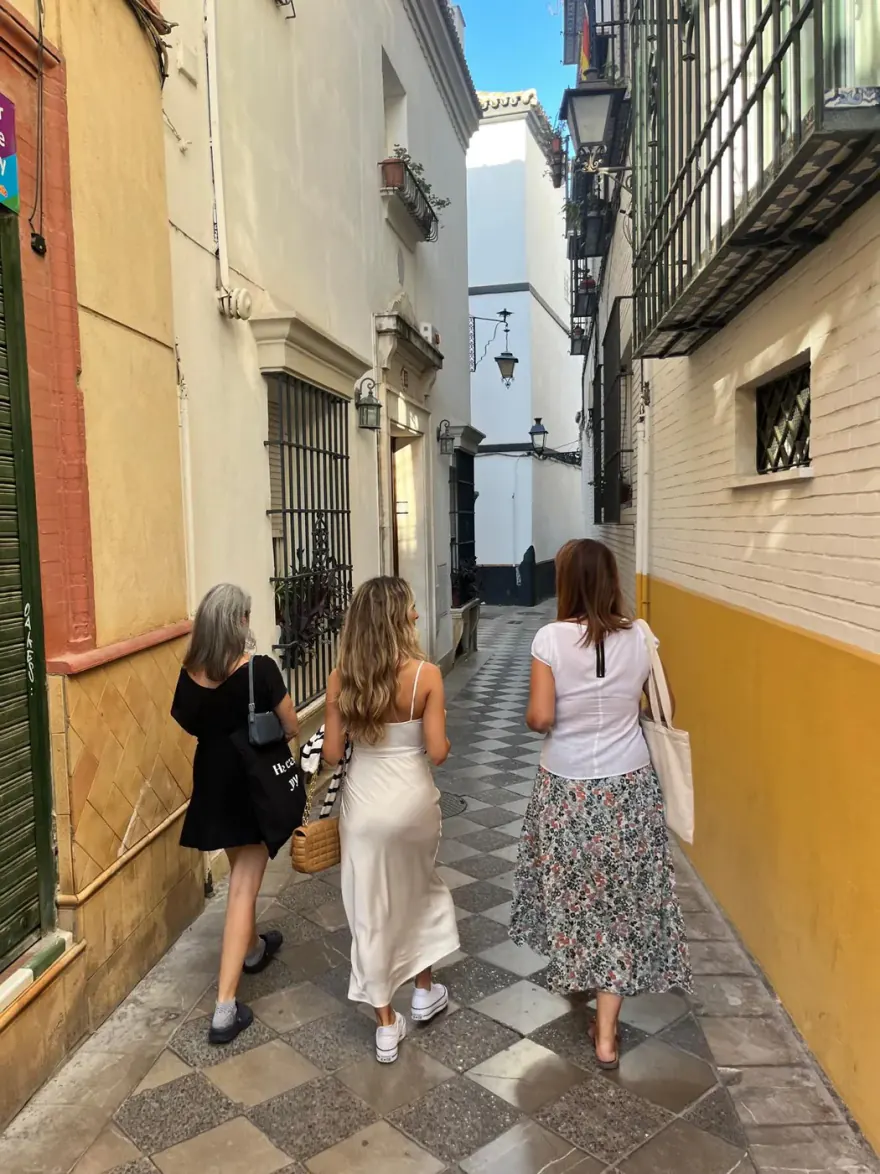
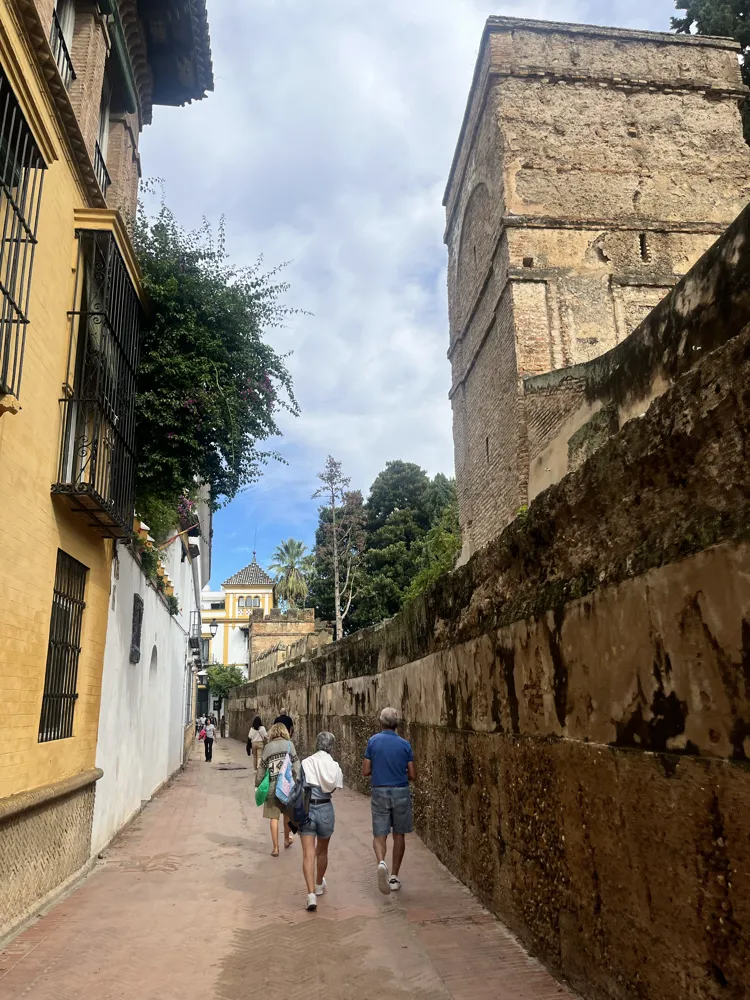
From Plaza de San Francisco to Plaza de Santa Cruz: the six stops of Seville's Jewish quarter in walking order, with what each place was, what you see today and where to read more.
From sunset on 4 December to nightfall on the 12th, Hanukkah lights one more flame each night. What it celebrates, how Sephardic tradition keeps it and what it has to do with Seville.
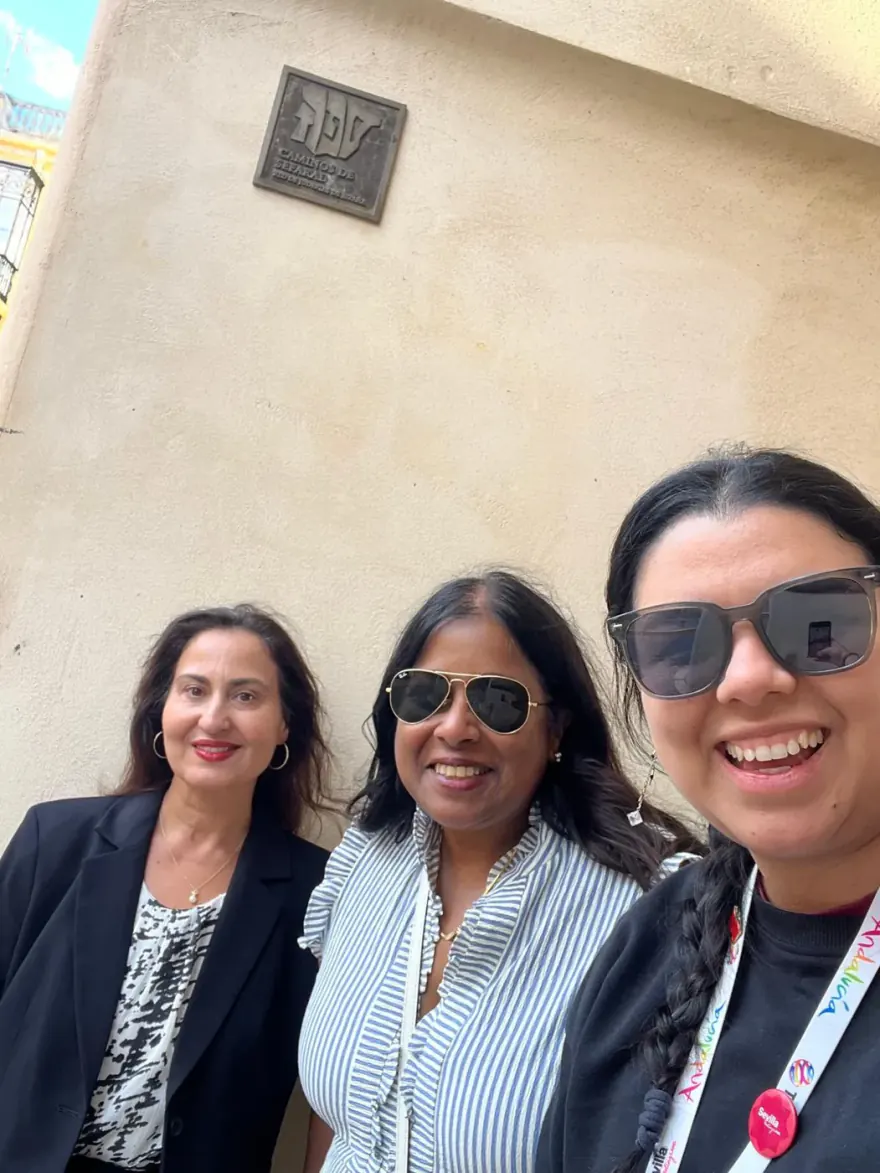
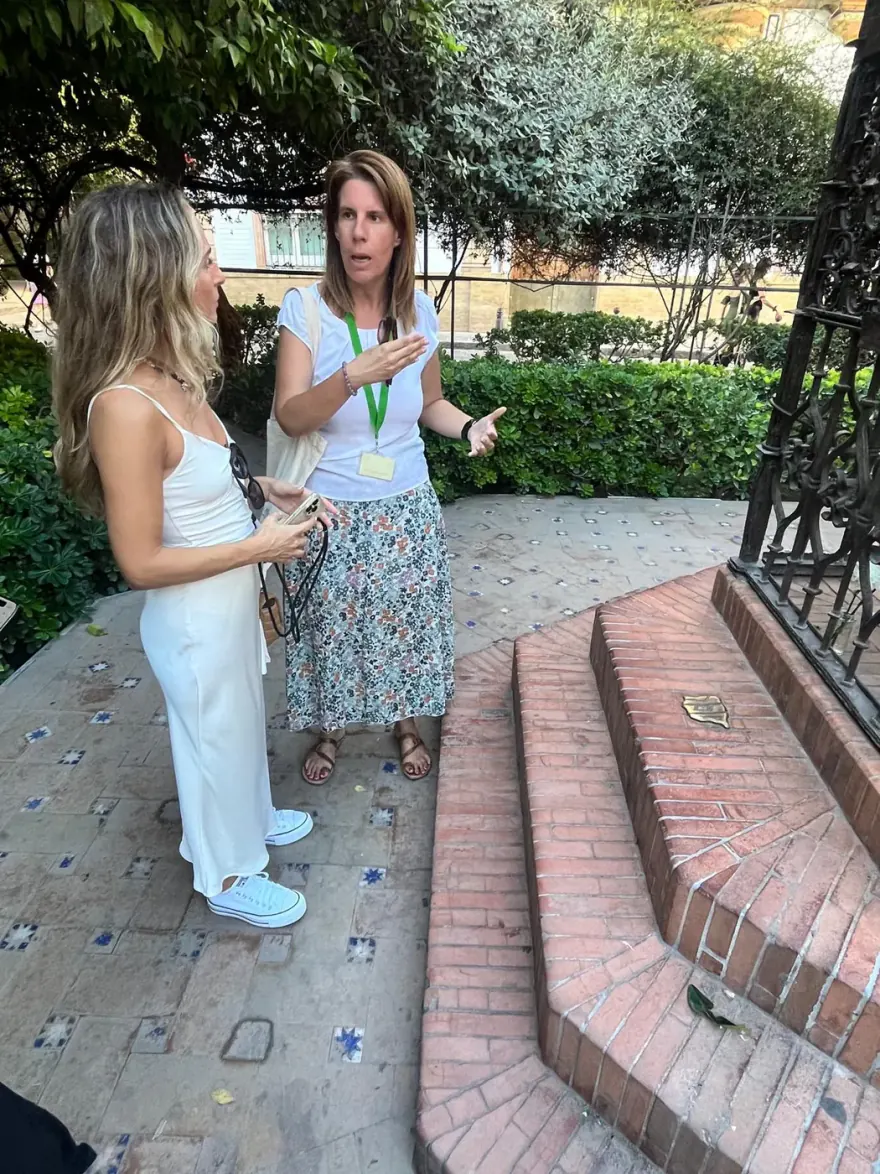
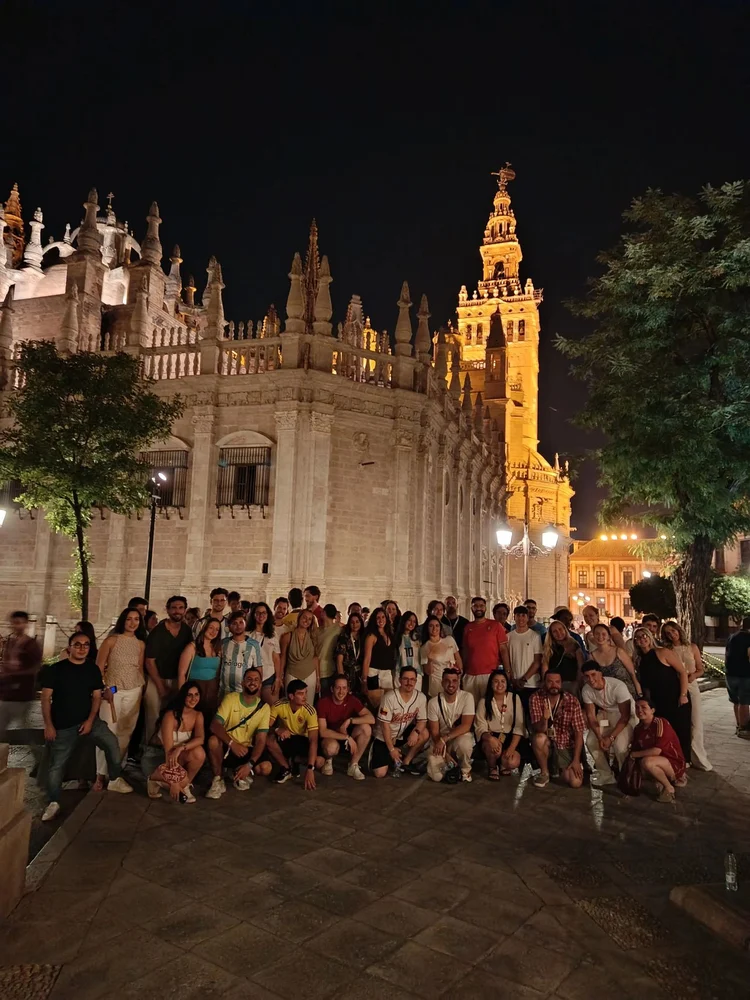
Seville rejoined the Red de Juderías de España in January 2026. These are the first tours held in the city under Caminos de Sefarad: an international press trip, a visit from the diaspora and a group of young Spanish Jews.
On 11 September, at sunset, Rosh Hashanah begins and with it the Hebrew year 5787. What it celebrates, what is eaten and what place the festival holds in the Sephardic memory of Seville.
Since 1 January 2026, Seville is once again a full member of the Red de Juderías de España – Caminos de Sefarad. What this return means for the old Jewish quarter and for the city's Sephardic memory.
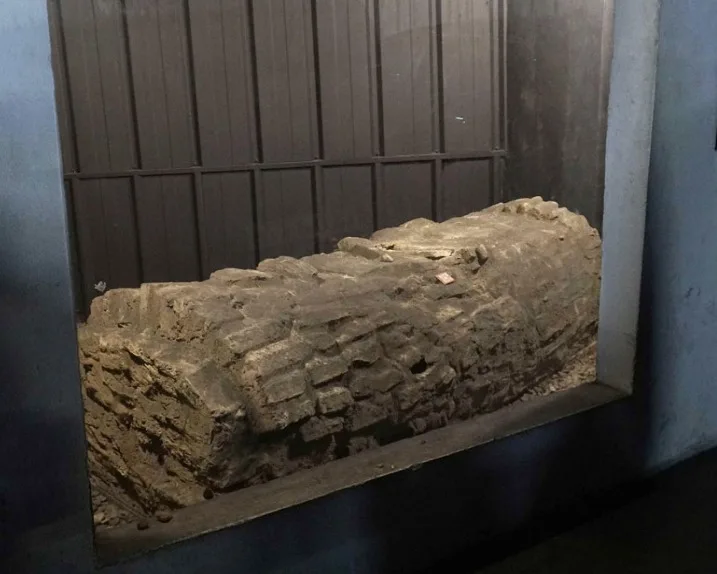
A stretch of wall, three churches that were synagogues, a mikveh under the floor and an unexcavated cemetery. The honest list — what is documented and what is not.
A street in the Barrio de Santa Cruz carries her name and a skull in tile. The contemporary chronicler names the father and mentions no daughter at all.