Room V — Horseshoe arch

Sephardic legacy

The Sephardic legacy is part of Spain's cultural memory, and it is preserved above all through music and gastronomy. After centuries of coexistence in the Iberian peninsula, the Jewish communities developed traditions of their own that incorporated elements of the Mediterranean world and of the Christian and Muslim cultures, later handed down from generation to generation.

Sephardic music preserved ballads (romances), love songs, lullabies, wedding songs and other compositions linked to everyday life. Many of these pieces went on being passed down among the Sephardic communities after the expulsion of 1492, keeping words, melodies and memories connected with the peninsula. In Spain, the Sephardic musical tradition has also been linked to the development of different musical expressions of the peninsular south, including flamenco. Although one cannot speak of an exclusively Sephardic origin of flamenco, both are part of a complex cultural context in which Christian, Jewish, Muslim and, later, Gitano traditions converged.

Gastronomy is another important expression of this heritage. Certain recipes, preparation techniques, ingredients and customs tied to the religious calendar travelled with the Sephardic communities across the Mediterranean and were kept up for generations. Some of these elements show parallels with culinary practices still found today in different regions of Spain.

Read: 1492: the edict, the port of Seville and the birth of Ladino

Name
Shofar.
Description
It is not a musical instrument but a ceremonial one. This wind instrument is one of the oldest known, used by human beings for more than 4,000 years.
Material
The horn of an animal that must be pure and clean (kosher), such as the ram, the goat, the antelope or the gazelle — but not the cow or the bull.
Use
It is used in various solemn Jewish festivals and in some religious services.
Name
Finger cymbals (replica).
Dimensions
4 cm in diameter.
Description
A most typical instrument of Andalusi folklore. They are small bronze cymbals, tied with leather straps to the thumb and middle finger. They are sounded by striking them against one another.
Dating
Unknown.
Provenance and photograph
Centro de Interpretación de Música Lombarda.
Name
Rebec (rabel).
Dimensions
50 cm.
Description
A medieval three-stringed instrument, played with a bow, built by artisans of Córdoba from a gourd and using the taracea technique (wood inlay on the neck).
Dating
New.
Provenance
Author's own collection.
Photograph
By the author.
Name
Riq (replica).
Dimensions
20 cm in diameter.
Description
A type of tambourine used as a traditional instrument of Arabic music. With pearl-coloured inlays.
Dating
Unknown.
Provenance and photograph
Centro de Interpretación de Música Lombarda.

Gastronomic calendar

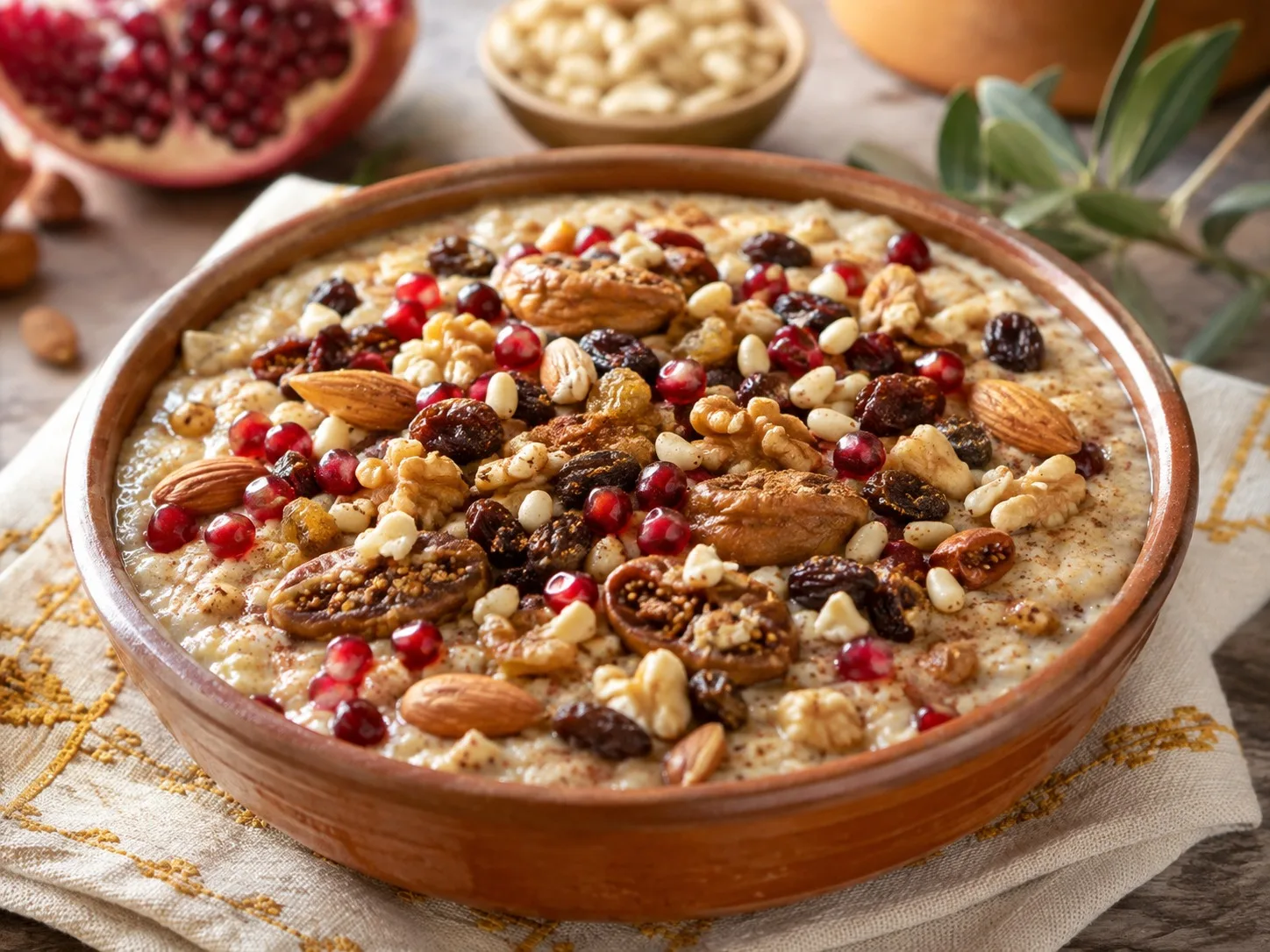
Cooked wheat with almonds, walnuts, raisins, dried figs and pomegranate for Tu Bishvat

January – February

Tu Bishvat

In Israel the first shoots of vegetation begin to appear. People would therefore go out to plant trees — this is the celebration of Tu Bishvat, the New Year of the Trees. The Assure, or Noah's Pudding, is a very rich dessert eaten at the close of this festival; Spanish rice pudding shares the same base of cereal cooked in milk and sugar, though with a softer texture and without legumes. This custom was established by the Jewish mystics, or Kabbalists, to link the end of one season (winter) with the welcome of another (spring) — a new cycle of planting and growth in nature, in thanksgiving to God for the harvests to come.
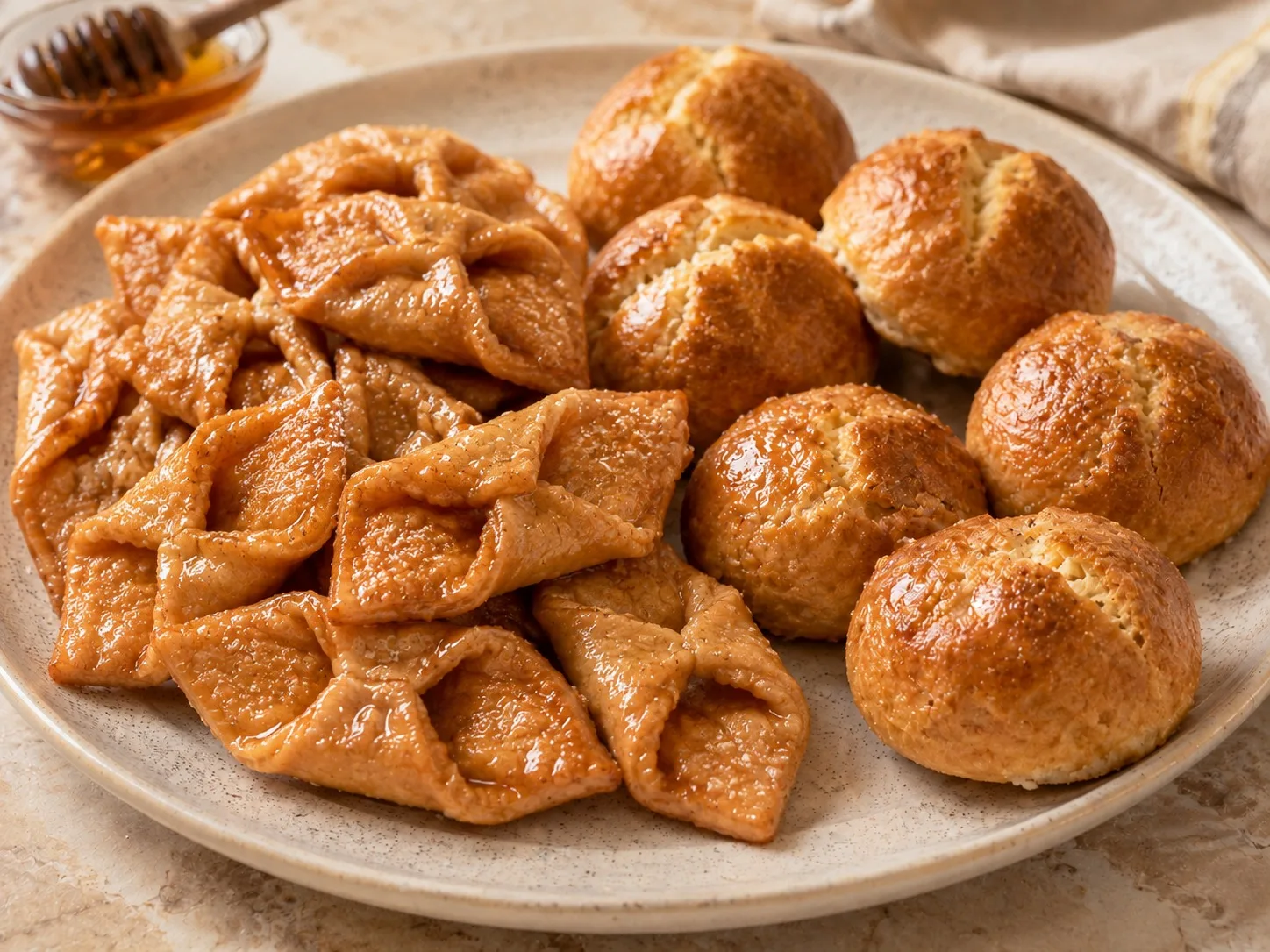
Fried Haman's-ears pastries glazed with honey, a Purim sweet

February – March

Purim

At Purim it is customary for children — and even adults — to wear masks or costumes; the date is known as the Festival of Masks, since its central theme is concealment and disguise. This springs from the story of the Book of Esther, in which the Jewish people, living in hiding, survive an attempt to annihilate them under the rule of the Persian king Ahasuerus. To celebrate, people eat the so-called Haman's Ears or Fazuelos (forerunners of the pestiños), and the Sephardic boyikos, known in Spain as Ochíos — little bread balls with sugar or honey.

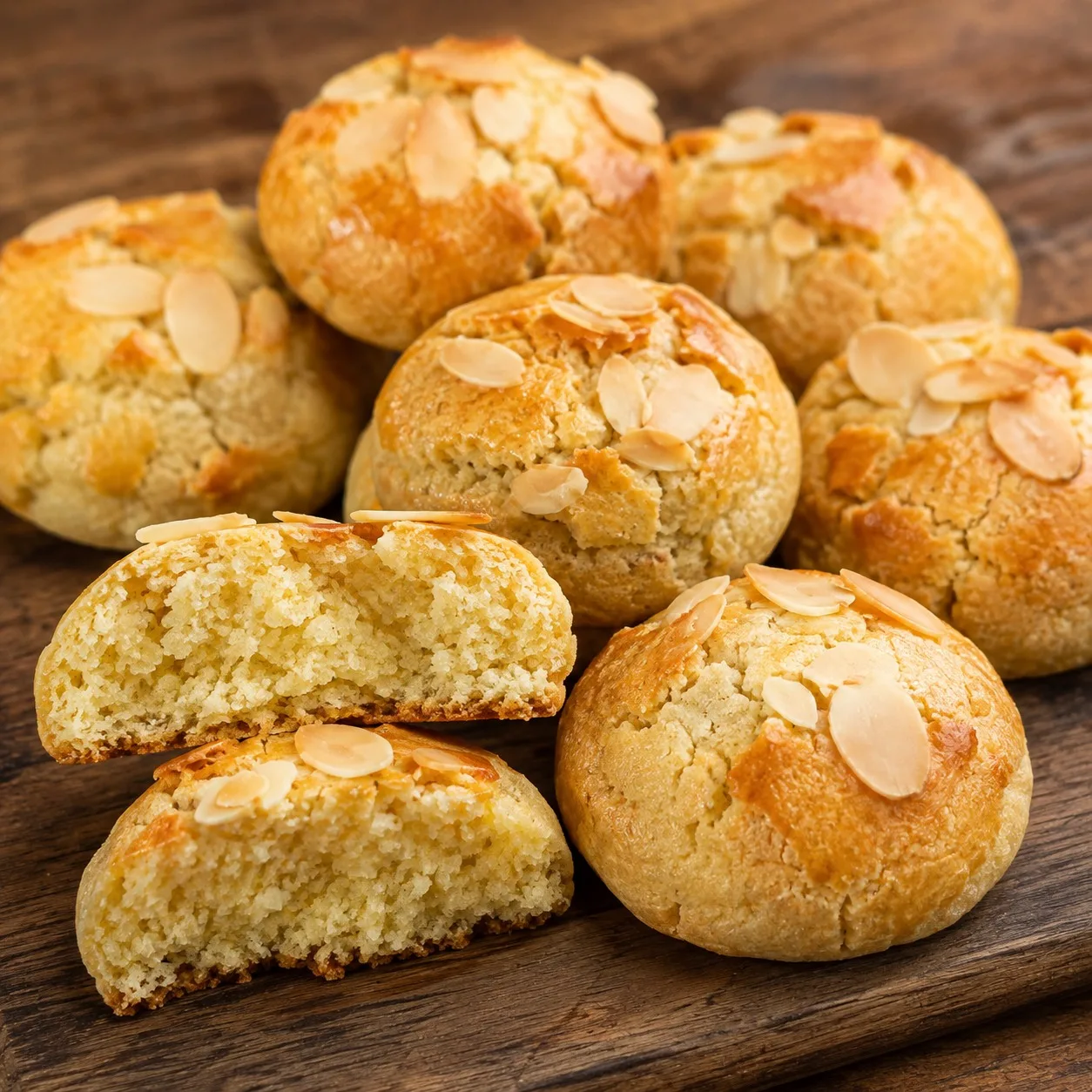
Almendrados — flourless almond sweets for Pesach

March – April

Pesach

A Jewish celebration that recalls the liberation of the Hebrew people from Egypt, as told in the book of Exodus. For the Hebrew people this event represents the founding moment of their identity as a nation. The festival lasts a week, during which it is forbidden to eat fermented foods made from grain. In their place Matzah is eaten — an unleavened bread, just like the regañás. People also eat the so-called Almendrados, made with almond flour, from which the Christian Nochebuena buns and marzipan derive.

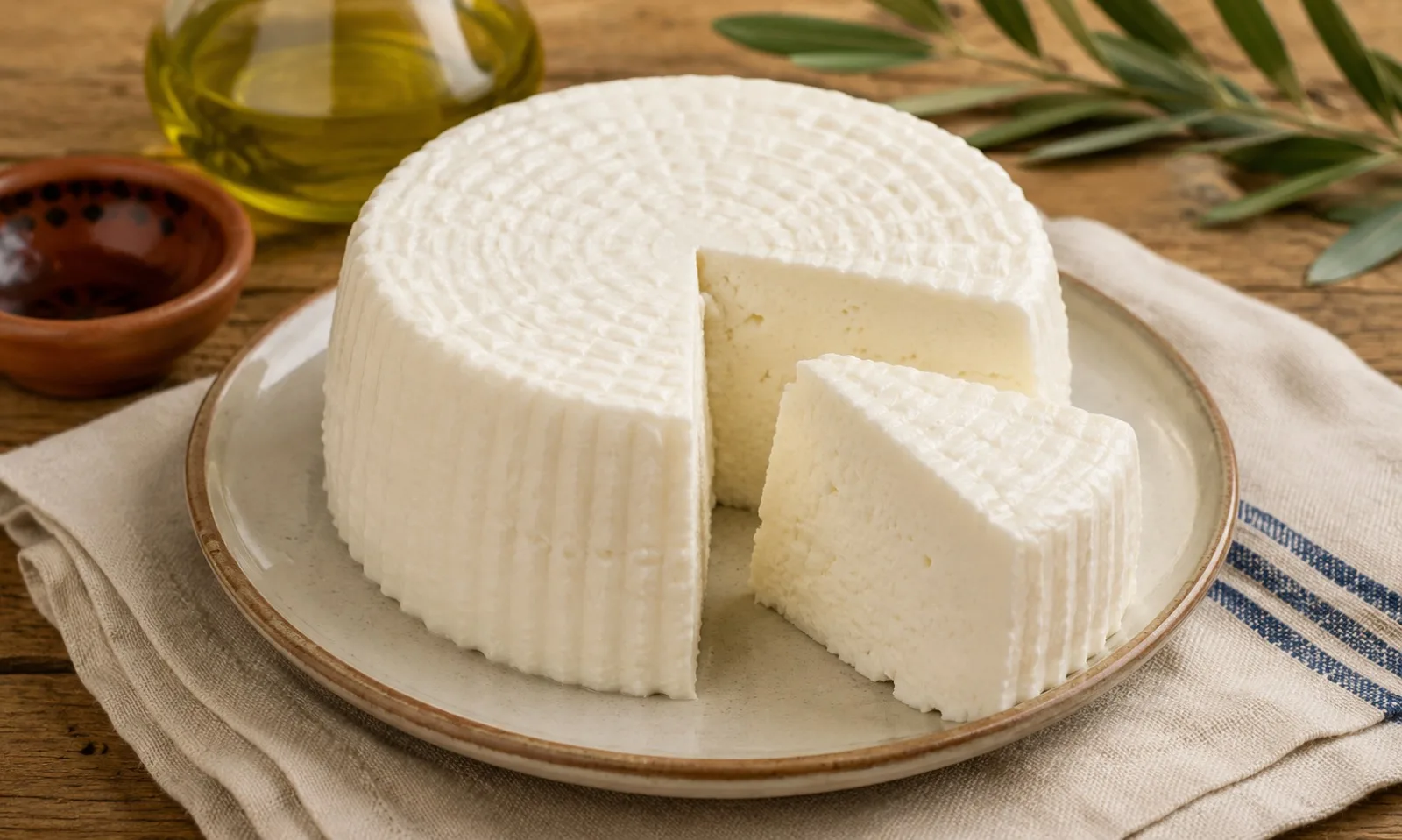
Fresh cheese with olive oil, the dairy tradition of Shavuot

May – June

Shavuot

The festival celebrates God's giving of the Torah to Moses on Mount Sinai. During Shavuot it is common to eat dairy foods, since the word “chalav” (milk) has the numerical value of 40, symbolising the 40 days Moses spent on Mount Sinai studying the Torah that would be given to the Jews at Shavuot. This tradition also explains the Sephardic custom of making and eating fresh cheese (Keso blanko), mentioned even by the Andalusi Jewish philosopher Moses Maimonides in one of his treatises.

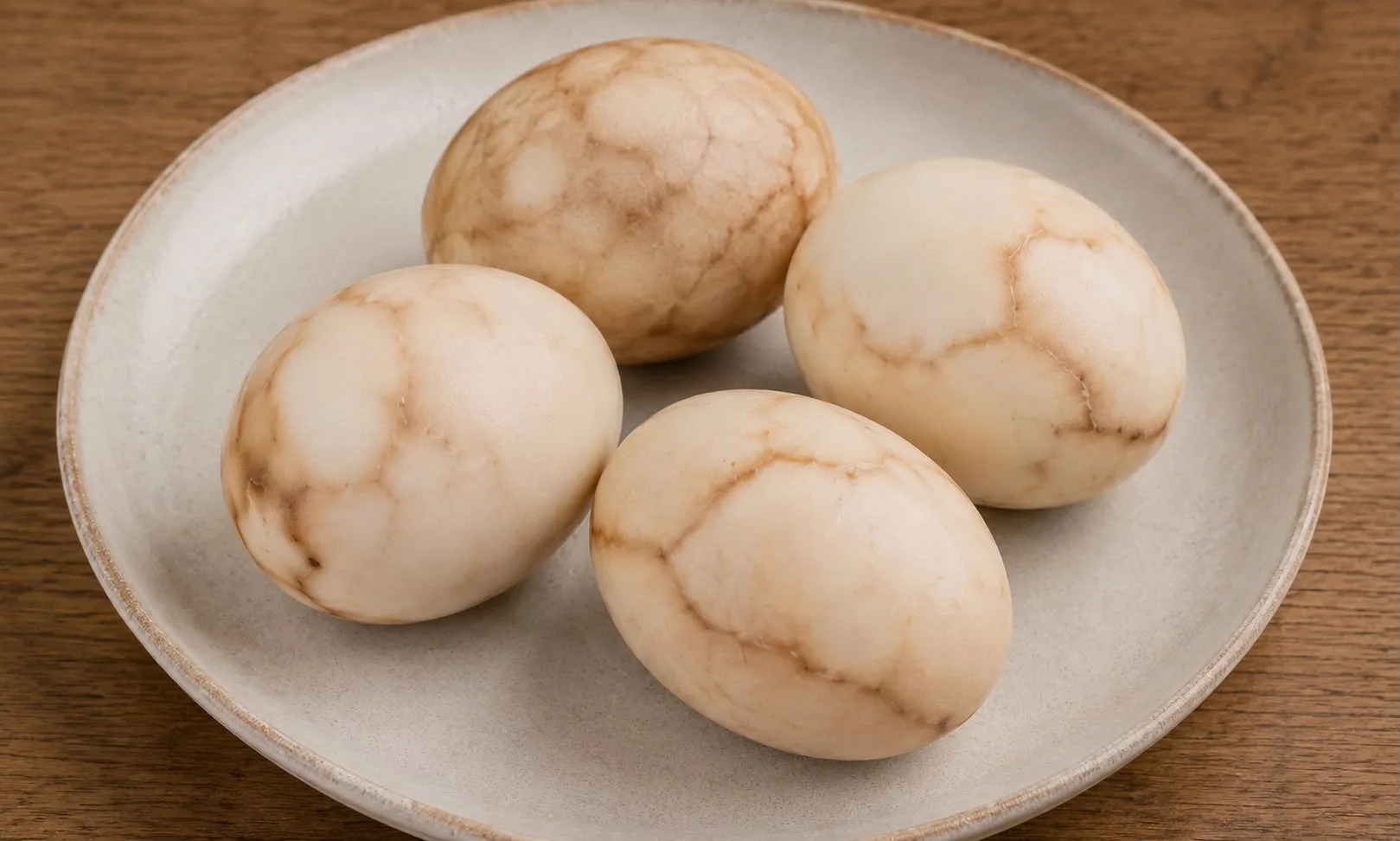
Slow-cooked haminados eggs

June – August

Fast of Tammuz, Tisha B'Av

Historically, these days have been times of misfortune and calamity for the Jewish people. Among other tragedies, both the First and the Second Temple were destroyed during this period. The community observes various mourning practices, curbing joy and celebration: no weddings are held, no music is listened to, and shaving and the cutting of hair or beard are avoided.

On the 17th of Tammuz it is forbidden to eat or drink from dawn until dusk. On the eve of Tisha B'Av it is customary to hold the Seudat Hamafseket, a meal of bread, water and a hard-boiled egg as a symbol of mourning. This egg is often cooked in a slow stew for half a day, which gives it an ochre colour.

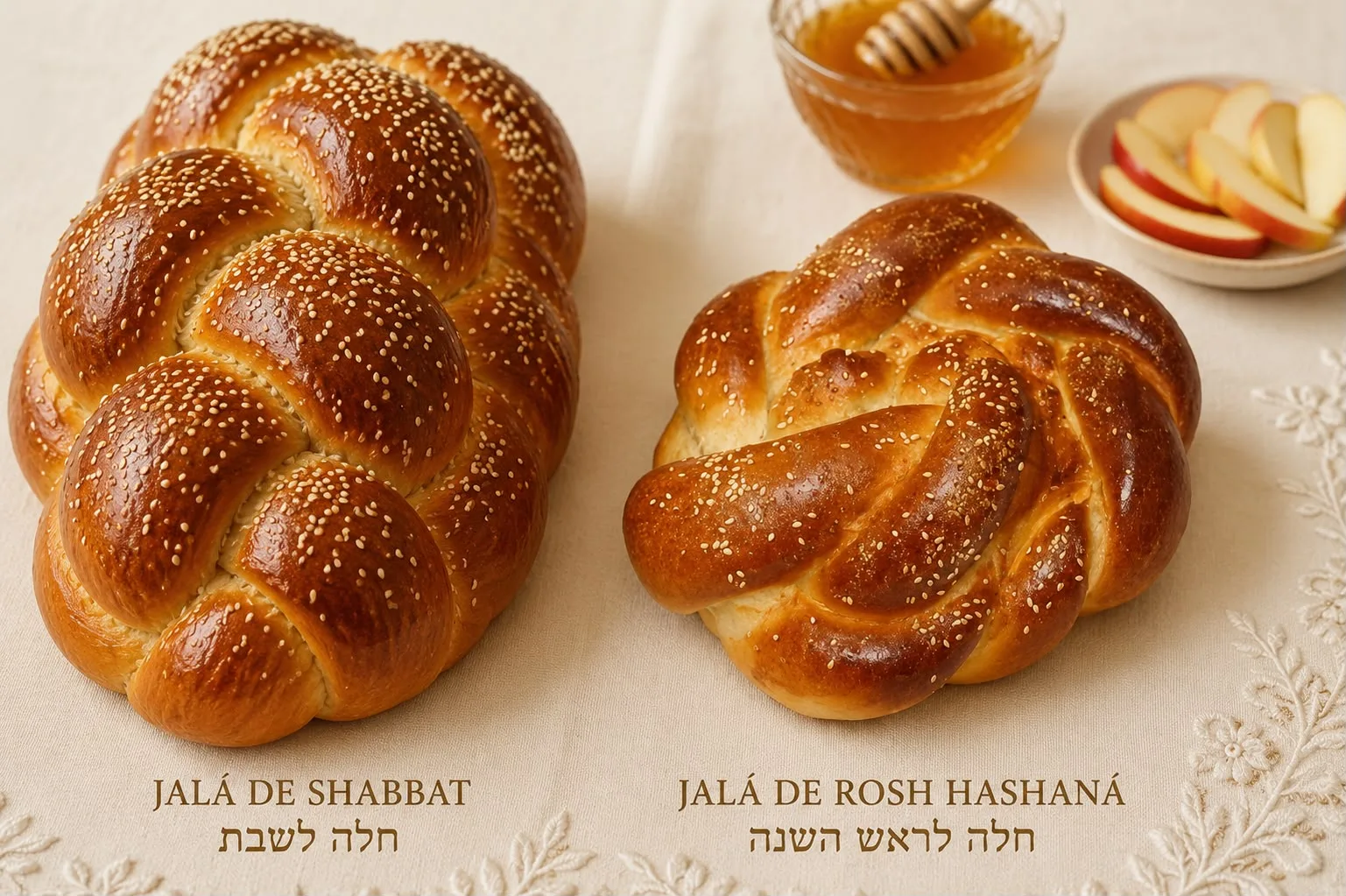
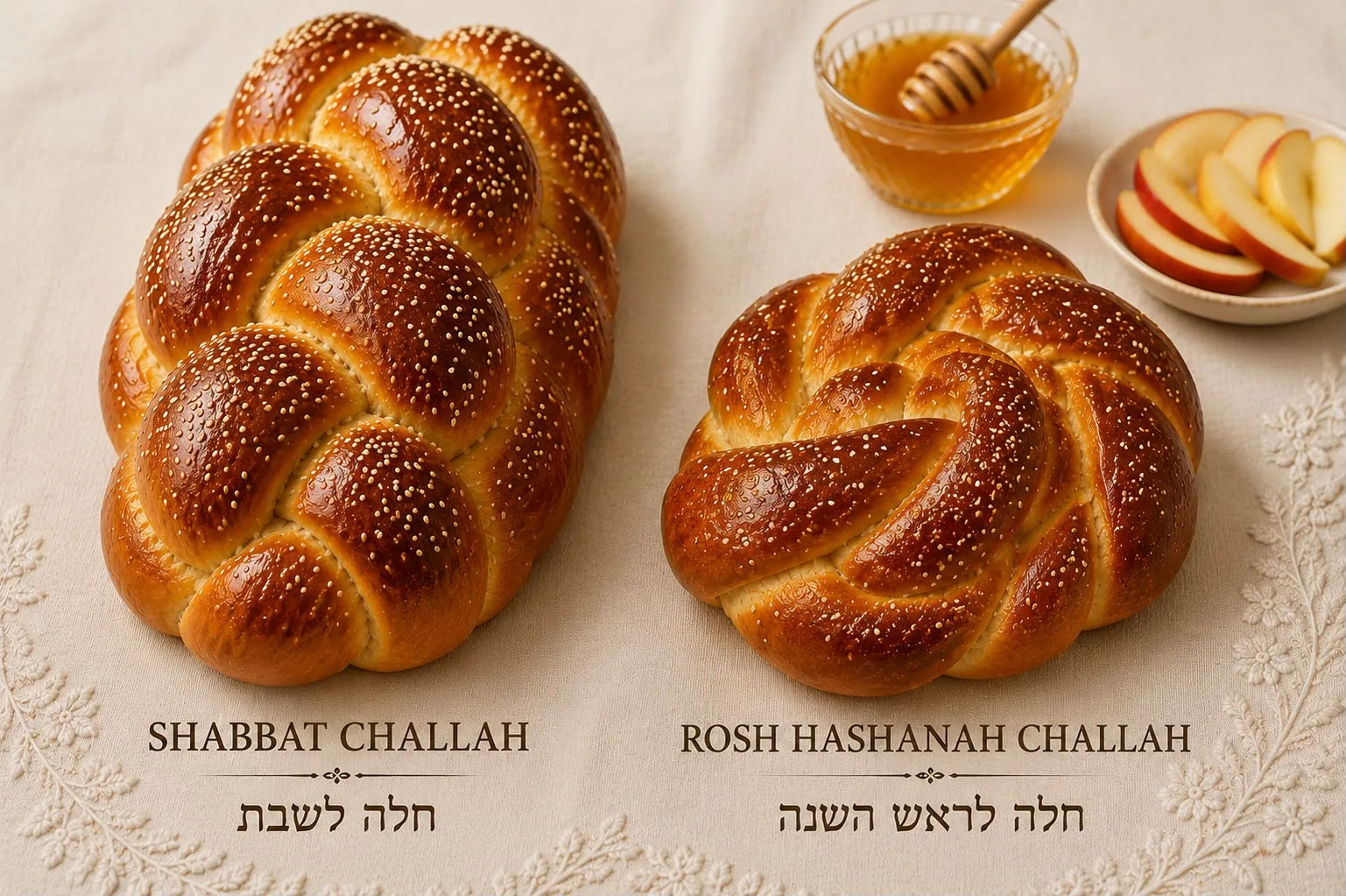
Two challahs on an embroidered cloth, with honey and apple slices (Spanish-labelled version): the braided Shabbat challah on the left, the round Rosh Hashanah challah on the rightTwo challahs on an embroidered cloth, with honey and apple slices: the braided Shabbat challah on the left, the round Rosh Hashanah challah on the right

September

Rosh Hashanah

It marks the beginning of the Jewish new year. It is the day on which God judges each person individually according to their deeds, with no need of intermediaries to weigh their conduct, encourage repentance and make amends. The term “Rosh Hashanah” (beginning of the year) comes from the rabbinic tradition.

Among the principal customs of Rosh Hashanah is the mitzvah of sounding the shofar. It is usual to eat foods containing pomegranate, such as pomegranate wine. Challah is also eaten — a Shabbat bread from which the Ensaimada of Menorca derives. Another common food are the rosquillas, ring-shaped pastries that even appear in testimonies before the Inquisition.

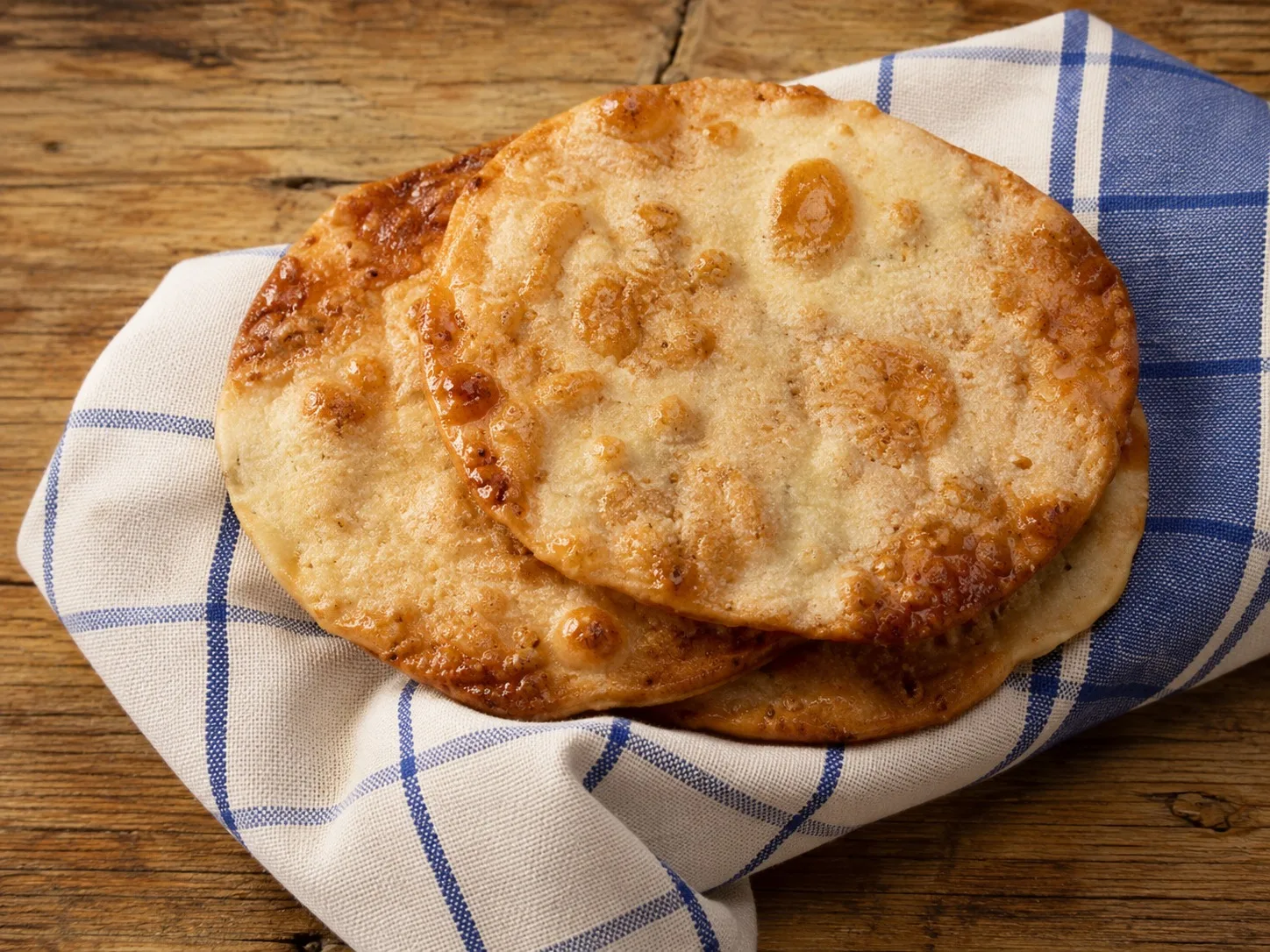
Round flat breads for Yom Kippur and Sukkot

September – October

Yom Kippur, Sukkot

Yom Kippur is the day of repentance in Judaism, held to be the most sacred and solemn day of the year. Its central focus is atonement and reconciliation, and so eating is forbidden. Sephardic Jews often call these festivals “the White Fast”. Sukkot, for its part, is a festival of biblical origin commemorating the hardships of the Jewish people on their journey through the desert and the precariousness of their material conditions. In the Sephardic tradition of Seville it was customary to bake olive-oil tortas during Sukkot. Today these tortas are common throughout the city, in a variety of flavours.

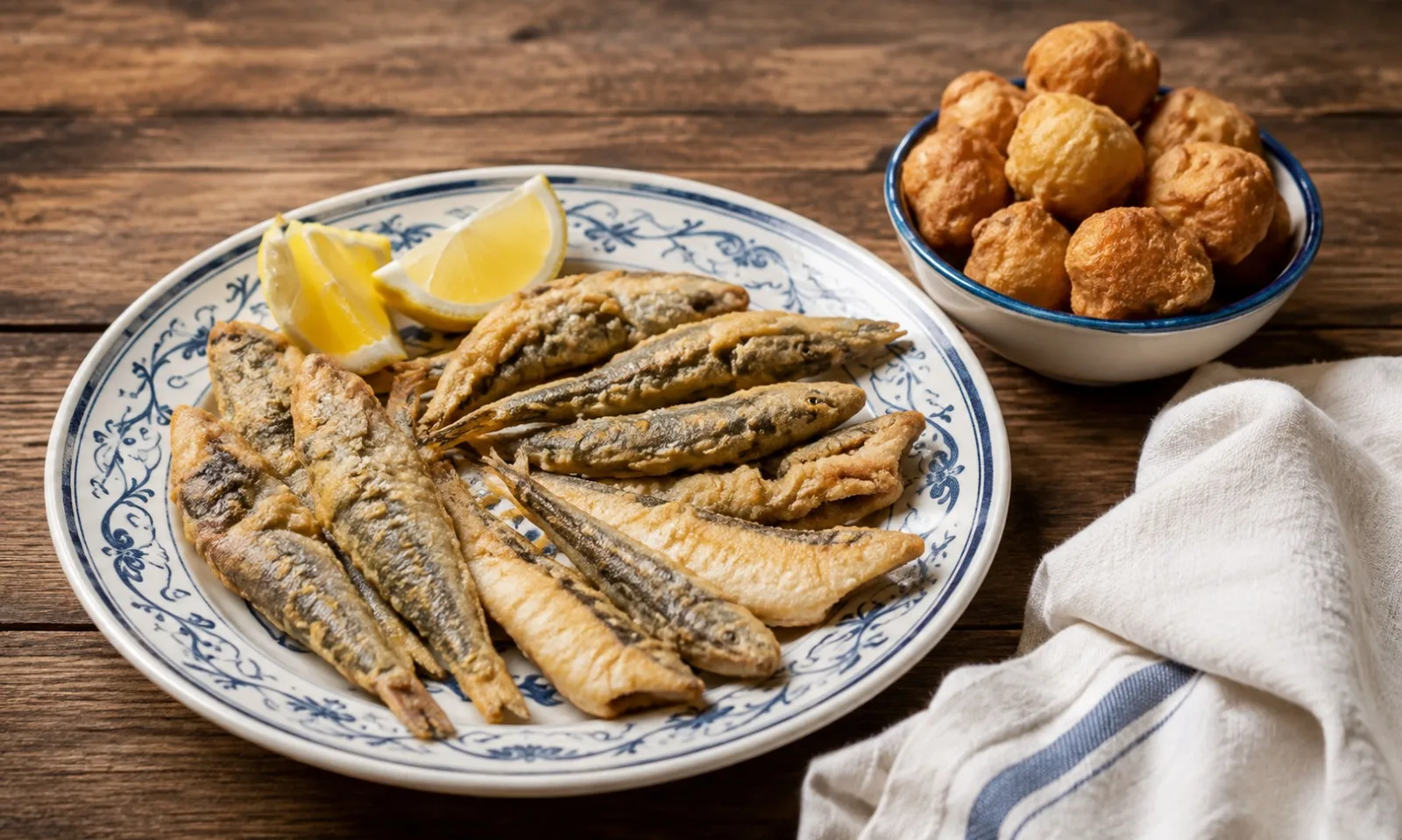
Fried fish with lemon and Hanukkah fritters

November – December

Hanukkah

The Hebrew word “Hanukkah” means “inauguration”. In the 2nd century BCE, in the days of the Second Temple, the Syrian-Greek regime of Antiochus tried to draw the Jews away from their faith and assimilate them into Greek culture. The Jewish warriors known as the Maccabees liberated Jerusalem, finding the temple in ruins and profaned with idols. They cleansed and rededicated it, but when they sought oil for the Menorah they found only one small vessel sealed by the High Priest. Though the oil was not enough, the Menorah stayed lit for eight days — time enough to produce more oil. Ever since, Jews have kept an eight-day festival in honour of this victory and the miracle of the oil, lighting the hanukkiah (the Hanukkah menorah) each night. It is usual to eat pickled fish, fried fish, and fritters with jam — dishes that are very much present in Andalusian cooking.