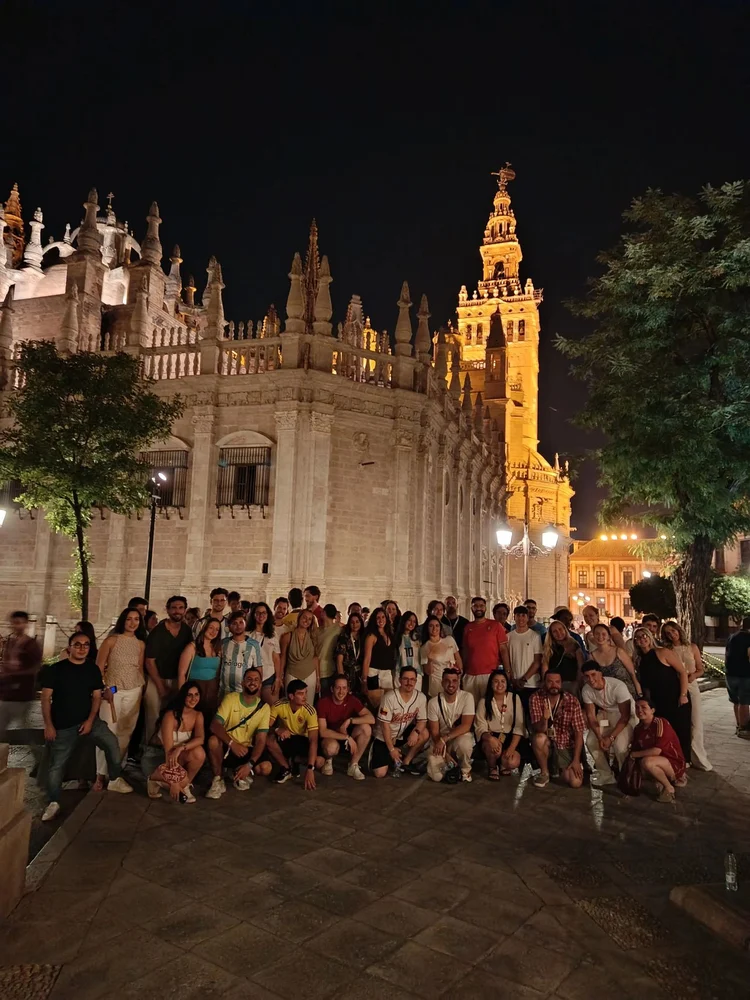
The Jewish history of Seville is back where it belongs, inside one of Spain's leading projects for preserving and sharing Sephardic heritage. Since 1 January 2026, Seville is once again a full member of the Red de Juderías de España – Caminos de Sefarad, an association of cities that preserve an important historical and cultural heritage linked to the Jewish communities that once lived in them.
At Casa Sefardí de Sevilla we have particular reason to celebrate this return. The old Judería of Seville is much more than a cluster of picturesque streets: it is a fundamental part of the city's history, and it still preserves — often in ways that are hard to see — the traces of those who lived here for centuries.
How did Seville rejoin the Red de Juderías de España?
The news began to take shape in May 2025, when Seville City Council formally announced its intention to rejoin the Red. Seville had already belonged to the organisation between 2012 and 2016, and its status as a former member eased the way back. Mayor José Luis Sanz then handed the application for readmission to the president of the Red de Juderías, César Fernández.

Although some of the news published at the time presented the return as practically a done deal, the definitive admission still had to complete its institutional procedure.
That process concluded on 12 December 2025, at the 68th General Assembly of the Red de Juderías de España: the member cities approved the admission of Seville together with Calatayud, Melilla, Uncastillo, Llerena and Valencia de Alcántara, and the decision established that the newly admitted cities would acquire full membership on 1 January 2026.
So today, in August 2026, we can say it in full: Seville has officially returned to the Caminos de Sefarad.
- 2012-2016. Event: Seville belongs to the Red de Juderías de España. Seville's status: member.
- May 2025. Event: the City Council formally announces its intention to rejoin, and Mayor José Luis Sanz hands the application to the president of the Red, César Fernández. Seville's status: former member asking to return.
- 12 December 2025. Event: the 68th General Assembly approves its admission, together with that of Calatayud, Melilla, Uncastillo, Llerena and Valencia de Alcántara. Seville's status: admitted, effective from 1 January 2026.
- 1 January 2026. Event: the admission takes effect. Seville's status: full member.
What is the Red de Juderías de España?
The Red de Juderías de España – Caminos de Sefarad was created to bring together municipalities that preserve historical, architectural, artistic and cultural heritage linked to the old Jewish communities.
Its purpose goes well beyond creating tourist routes. The cities work together on heritage protection, research, historical outreach, education and cultural cooperation, and develop projects that bring the Sephardic legacy closer to both Spanish and international audiences.
In 2026 the Red has also opened a new strategic phase: greater international reach for the Caminos de Sefarad, collaboration with Turespaña and travel agencies, stronger academic research and the digitisation of heritage resources. The organisation now also officially celebrates 31 March as the Day of Sephardic Culture — the date on which the expulsion edict of 1492 was signed.
Why does Seville matter?
Seville's importance within the network becomes obvious as soon as you look at the city's history. The old Judería covered a large area of today's historic centre, tied above all to the present quarters of Santa Cruz, Santa María la Blanca and San Bartolomé.
Its streets, walls, old gates and religious spaces make it possible to partially reconstruct the territory where the medieval Jewish community lived — on the blog we have already told what actually remains of all this in Santa Cruz. The City Council itself continues to promote activities in 2026 to help people get to know these spaces.
Yet much of this heritage is far from obvious to anyone simply strolling through Seville. The city has changed enormously since the Middle Ages: buildings transformed, streets altered, spaces given new uses. Elsewhere the evidence remains hidden beneath later construction, inside historical archives or in archaeological finds.
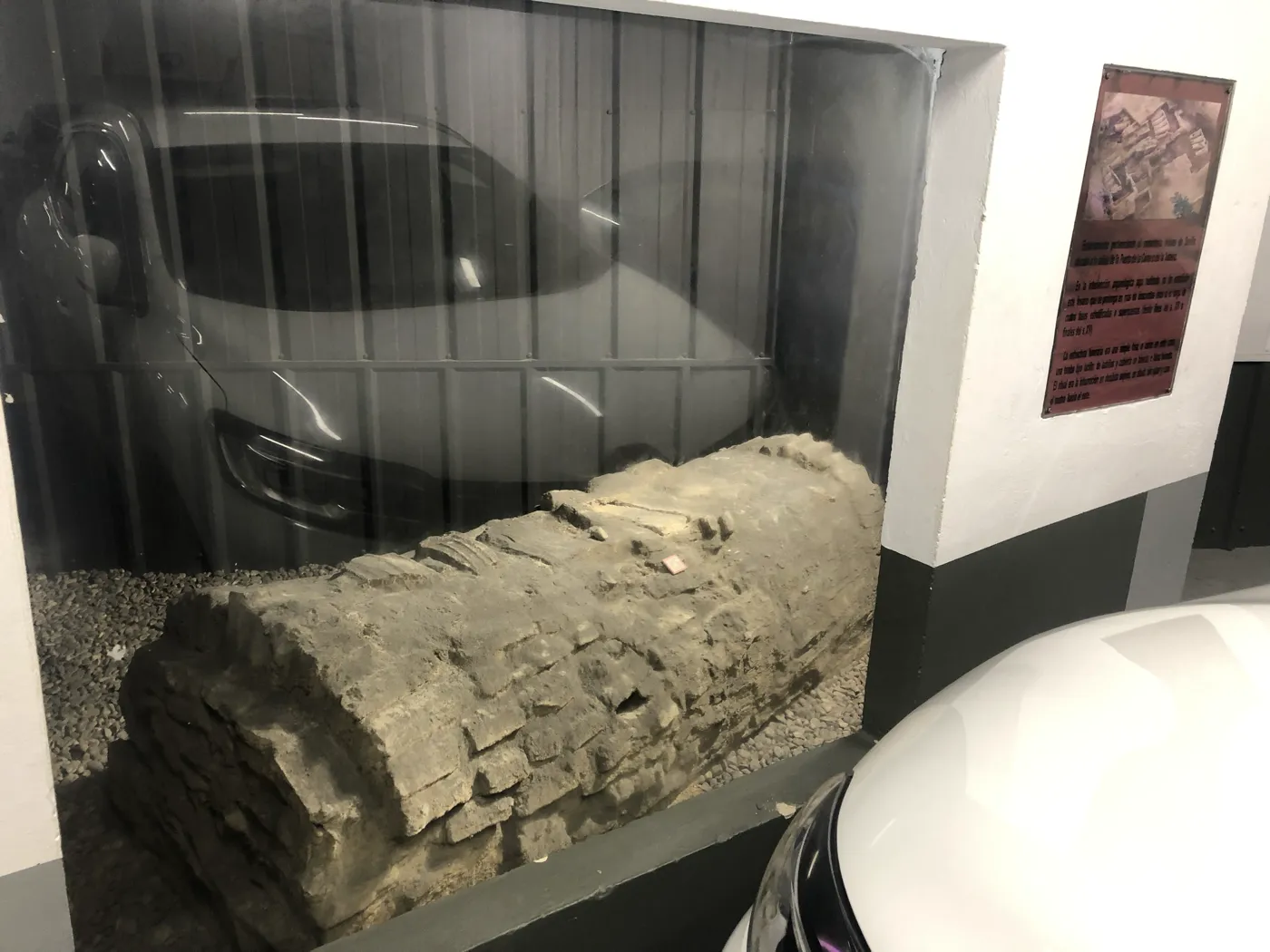
That is why recovering the history of the Judería takes more than pointing at a neighbourhood on a map: it takes research, interpretation and outreach.
Beyond Santa Cruz
One of the biggest challenges is precisely to move past the automatic identification of the Judería with today's tourist quarter of Santa Cruz. Seville's Jewish history also runs through San Bartolomé and Santa María la Blanca, along with other places: the cemetery beneath the Murillo Gardens, the old gates, the community's economic life, and the later history of the conversos.
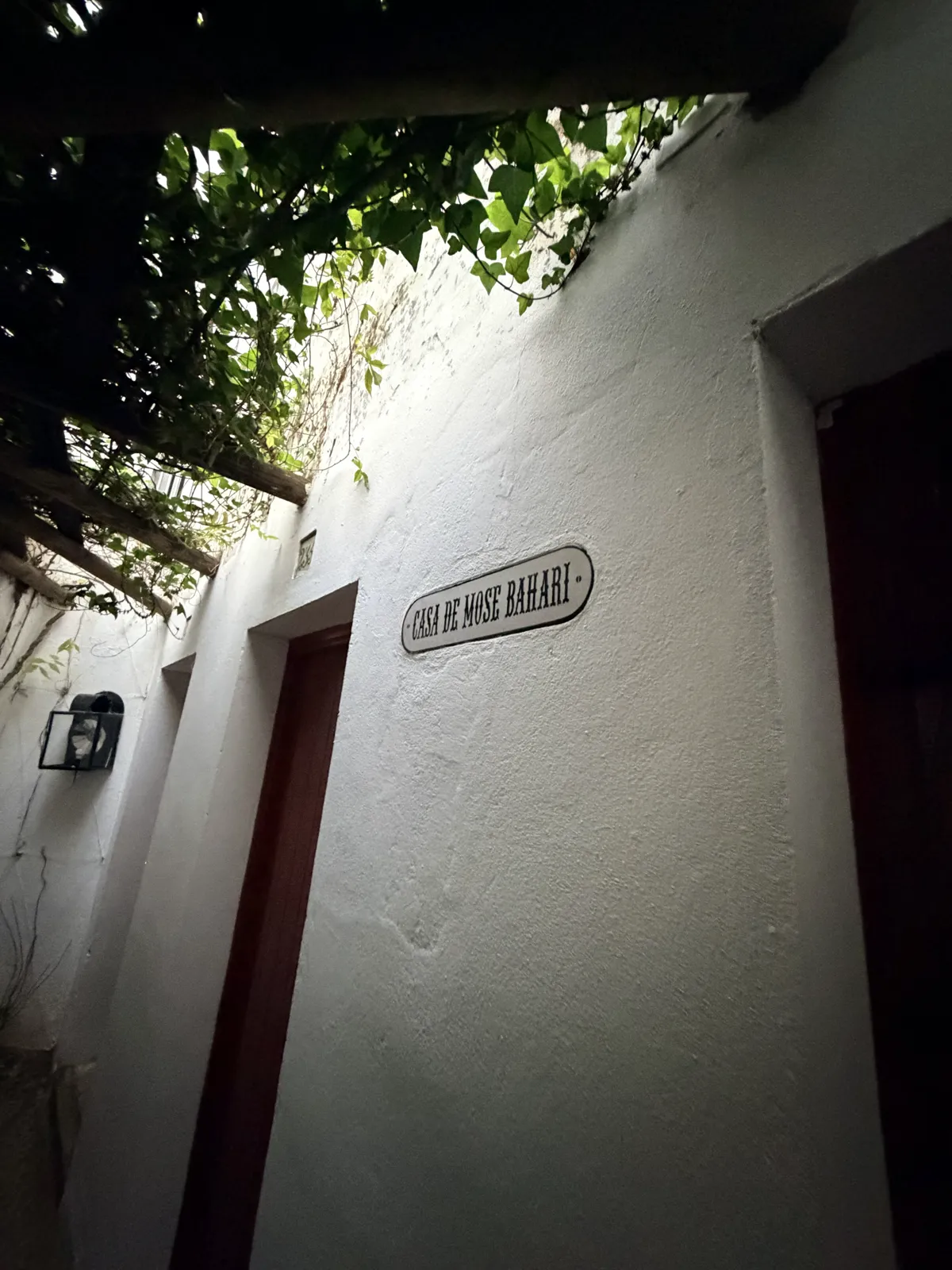
The Red itself describes Seville's old Judería as a space historically tied to Santa Cruz and San Bartolomé, and highlights the role of Santa María la Blanca within this historic landscape. Understanding that wider dimension lets us leave behind a purely monumental view and come closer to something far more interesting: the lives of the people who made up that community.
What does rejoining the Red de Juderías mean for Seville?
Rejoining creates new opportunities for conservation, signposting, research and outreach projects. It also connects the city with other great centres of Spanish Jewish heritage — Córdoba, Toledo, Segovia, Ávila, Lucena, Jaén, Cáceres, Ribadavia — and makes it possible to study Sefarad as one interconnected history rather than a series of isolated episodes.
For Seville there is also an especially valuable opportunity: turning its extraordinary documentary and academic heritage into experiences that residents and visitors can actually reach. The Sephardic legacy should not be reduced to a tourist route: it opens conversations about religion, coexistence, trade, medicine, literature, food, language, music, persecution, conversion, diaspora and memory. It is, in the end, another way of understanding Seville's own history.
News that matters especially to Casa Sefardí
At Casa Sefardí de Sevilla this is precisely what we work on: researching, preserving and sharing the stories of the city's Jewish and Sephardic community. Our online museum brings together historical figures, documents, heritage, traditions and episodes that reveal a history you often cannot see with the naked eye while walking through Seville.
That is why Seville's return to the Red de Juderías stands for much more than an institutional membership: it is a chance for the city to look again at an essential part of its past, and for institutions, researchers, cultural projects and citizens to work together on recovering it.
Seville's Jewish history survived in the archives, in the transformation of its buildings, in the streets of the old Judería and in the memory of the Sephardim who kept the recollection of Sefarad alive for generations. Now there is a new chance to make it visible. Seville is once again part of the Caminos de Sefarad — and we hope this return also marks the beginning of a new chapter in knowing, protecting and sharing its Jewish memory.
Frequently asked questions
Since when has Seville been a member of the Red de Juderías de España?
Seville has been a full member of the Red de Juderías de España – Caminos de Sefarad since 1 January 2026. The network's 68th General Assembly approved its admission on 12 December 2025, after the City Council announced its intention to return in May 2025.
Had Seville belonged to the Red de Juderías before?
Yes. Seville belonged to the Red de Juderías de España between 2012 and 2016, and its status as a former member eased the way back. It became a full member again on 1 January 2026.
Which cities joined the Red de Juderías together with Seville?
On 12 December 2025 the 68th General Assembly of the Red de Juderías de España approved the admission of six municipalities: Seville, Calatayud, Melilla, Uncastillo, Llerena and Valencia de Alcántara. All six acquired full membership on 1 January 2026.
When is the Day of Sephardic Culture?
The Red de Juderías de España officially celebrates the Day of Sephardic Culture on 31 March. It is the date on which the expulsion edict of 1492 was signed.
Sources
- Cadena SER (April 2025): “We are working to bring Seville back into the Red de Juderías”
- Europa Press (May 2025): Seville rejoins the Red de Juderías de España
- Diario de Sevilla (May 2025): the city's return to the Red
- Seville City Council (May 2025): official announcement of the readmission
- Red de Juderías (May 2025): “Seville rejoins the Red de Juderías de España – Caminos de Sefarad”
- Red de Juderías (12 December 2025): the 68th General Assembly approves the admission of six new municipalities, Seville among them
- Cadena SER (December 2025): the Red approves Seville's admission at its 68th General Assembly
- Red de Juderías (December 2025): the incorporation of the six new municipalities, effective 1 January 2026