Barrio de Santa Cruz: What Actually Remains of Seville's Jewish Quarter
A stretch of wall, three churches that were synagogues, a mikveh under the floor and an unexcavated cemetery. The honest list — what is documented and what is not.
4 articles from the archive of Casa Sefardí.
Here are the articles that rebuild, date by date, the history of Seville's Jewish quarter: the 1248 partition in which Alfonso X gave the aljama three mosques and walled the quarter, the pogrom of 1391 that destroyed it after a century and a half, and the edict of 1492 that brought some 50,000 people to the port. These are not textbook summaries: every piece cites the document it comes from, from notarial deeds to royal decrees, and links to the room of the collection that expands on it.
Walk the Jewish quarter with an official guideA stretch of wall, three churches that were synagogues, a mikveh under the floor and an unexcavated cemetery. The honest list — what is documented and what is not.
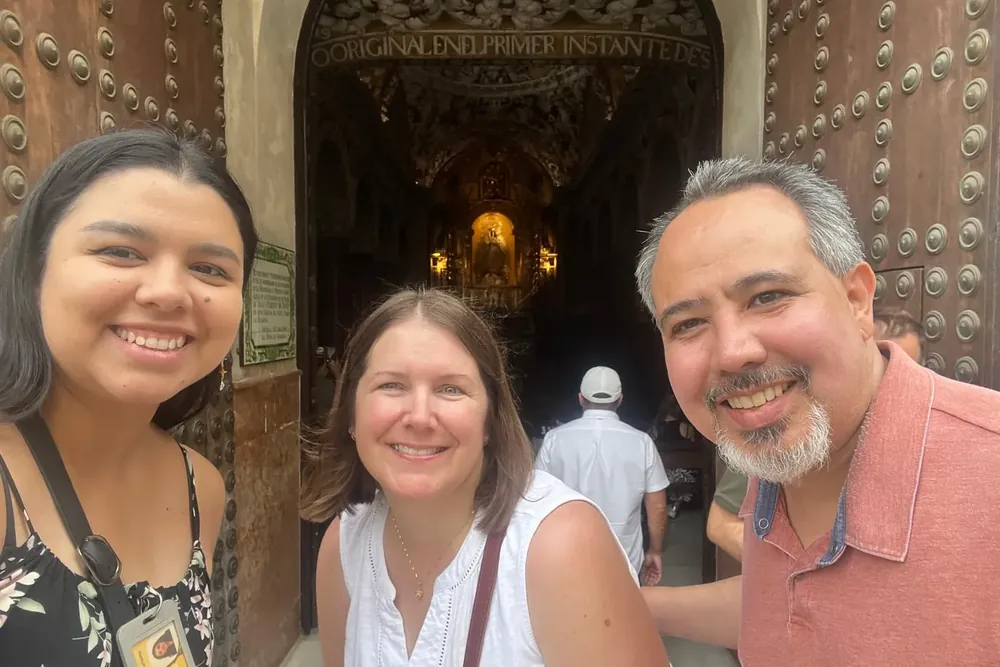
Three buildings that changed religion twice in a century and a half. Today they are churches, and only one keeps remains of what it was.
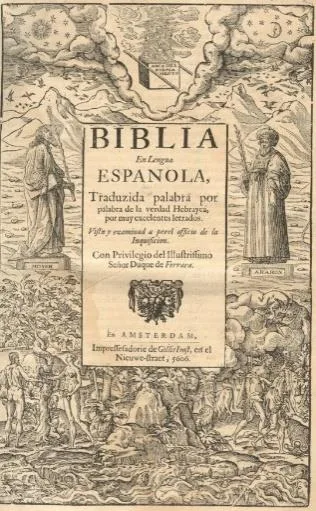
Three months to be baptised or to leave. Some fifty thousand people embarked at Seville, and with them went the Castilian that would become Ladino.
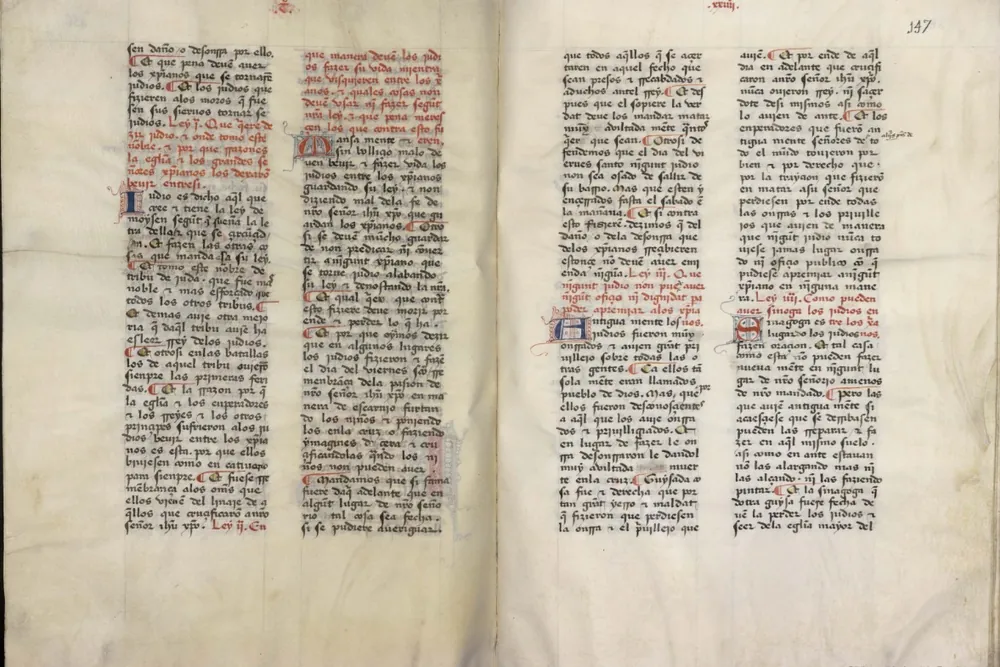
Years of preaching, one assault and three fates: to die, to leave or to be baptised. The year that remade the quarter.
NewsVisiting the Jewish quarterPeople of the Jewish quarterArchaeology and memory